
Sewer Line Repair
Cracked, sagging or root-filled laterals between your house and the curb.
View service (717) 708-3798
A clogged kitchen sink, a tub that holds water or a toilet that will not flush is the most common drain call in York. A local provider can clear it and tell you whether it is just the fixture or a sign of trouble in the main line.
York Drain Cleaning is a free referral service. Calls are answered by independent local providers who set their own prices.
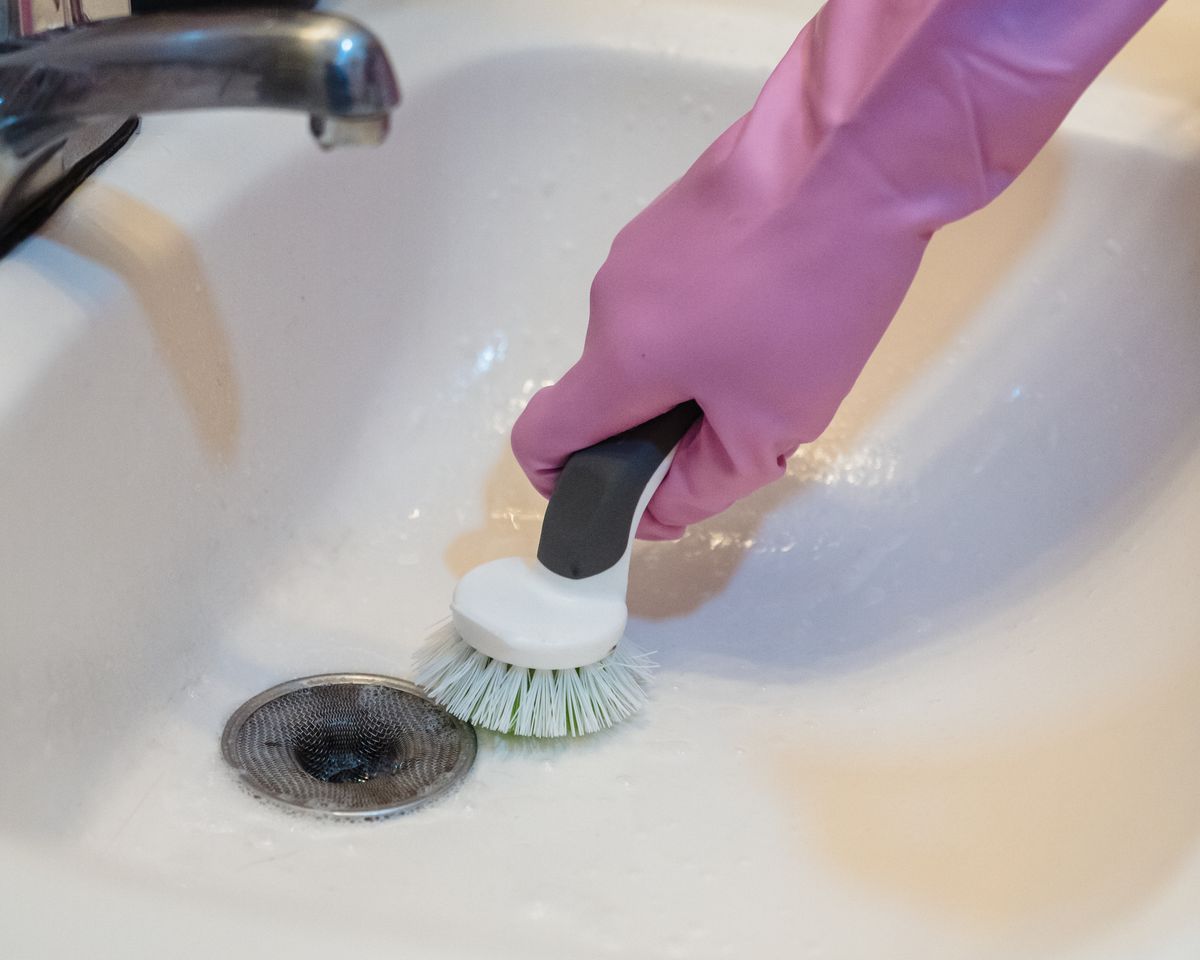
Clogged drain repair clears a blockage in one fixture's drain line, such as a kitchen sink, bathtub, shower, toilet or laundry drain. In York, PA it is handled by independent local plumbers, and it is the right call when one fixture is slow but the rest of the house drains normally.
Clogged drain repair is clearing a blockage that is stopping one fixture from draining: a kitchen sink, a bathroom sink, a tub or shower, a toilet, a laundry standpipe or a basement floor drain. The clog is usually within a few feet of the fixture, in the trap or the branch line that connects it to the main stack.
It is different from main line work. When the blockage is in the sewer line that carries everything out of the house, several fixtures slow down together and water shows up at the lowest drain. A provider asks a few questions on the phone to tell the two apart, because the tools are different: a small hand auger or a drum machine for a sink, heavier equipment for the main.
In a city where about half the homes were built before 1940, drain lines inside the walls are often cast iron or galvanized steel. Those pipes narrow over time, which is why clogs come back in older York houses. For the bigger picture of drain cleaning in York, start at the homepage.
The plumber checks the slow fixture and runs water in others to see whether the clog is local or further down.
Sink traps are taken apart, toilets are pulled if needed, and tubs are cleared through the overflow.
A hand auger for sinks and tubs, a closet auger for toilets, or a small drum machine for a longer branch line.
Hot water is run through the line and every nearby fixture is tested before the job is closed.
The basin takes minutes to empty after you wash dishes.
You end up standing in an inch or two of water.
The bowl fills close to the rim, then slowly goes down.
Air bubbles come up through the drain when water runs elsewhere.
A sewer or rotten-food smell comes from one fixture only.
Water backs up at the washer box during the spin cycle.
A cloudy, fatty layer stays in the kitchen sink after it drains.
The clog clears, then comes back within days.
Not sure if it is the main line? A provider can talk it through on the phone.Open 24/7 · Talk to a local provider in York
Call 24/7 (717) 708-3798York's housing is old. Census estimates show about 9,600 of the city's 19,505 homes were built in 1939 or earlier, and the median house dates from 1941. Drain lines inside those walls were typically cast iron for the main stack and galvanized steel for smaller branches. Both corrode from the inside, and the rough, narrowed pipe catches grease and hair.
Kitchen clogs are the most common. Cooking grease is liquid when it goes down the sink but hardens in the cold section of pipe in a basement or crawl space. Tub and shower clogs are mostly hair and soap. Toilet clogs are usually wipes, paper towels or too much paper at once.
Rowhomes add one more factor. About 40% of York homes are attached houses, and in many rowhome layouts the kitchen sits at the back while the main line leaves the house at the front. That long run under the floor gives grease more distance to cool and settle.
Find out where your kitchen line drops into the basement. In many rowhomes it drops at the back of the house, and a plumber can often clear a stubborn grease clog from there instead of working through the sink.
For most one-fixture clogs, yes. Clearing the trap and branch line restores normal flow, and good habits keep it that way. The picture changes when the same drain clogs every few months. In old galvanized or cast iron pipe that usually means the pipe itself is narrowed by scale, and the fix is cleaning the line more thoroughly with hydro jetting or replacing a short section of drain pipe.
If more than one fixture is involved, or the basement floor drain is wet, stop treating it as a fixture clog and ask about the main line instead. In that case a camera inspection or main line cleaning makes more sense than another round with the plunger.
Water in the basement floor drain? Stop running water and call now.Open 24/7 · Talk to a local provider in York
Call 24/7 (717) 708-3798
Which fixture, how long it has been slow and whether anything was dropped or flushed.
Drop cloths and buckets go down before the trap or toilet is opened.
The right auger is run until the line opens and flow returns.
You are told what came out and how to keep it from coming back.
Drain backing up in York? Call (717) 708-3798 and talk to a local provider.Open 24/7 · Talk to a local provider in York
Call 24/7 (717) 708-3798| Plunger | Plumber's auger | |
|---|---|---|
| Best for | Fresh clogs near the drain opening | Hard clogs deeper in the branch line |
| Reach | A few inches | Several feet to the main stack |
| Grease and scale | Moves it, rarely removes it | Cuts through and pulls debris back |
| When to choose | First try for a toilet or sink | When plunging fails or the clog returns |
| Factor | Why it matters | What to ask on the call |
|---|---|---|
| Which fixture | Sinks and tubs are quick; a toilet may have to be pulled from the floor. | Will you need to remove the toilet? |
| How far the clog is | A trap clog is minutes of work; a deep branch line takes longer. | Do you think it is in the trap or further down? |
| Pipe material | Old galvanized and cast iron need more care than PVC. | Is my pipe old enough that you recommend a camera? |
| Repeat clogs | A drain that keeps clogging may need jetting or a pipe section replaced. | Is this a one-time clog or a sign of a bigger problem? |
| Time of the visit | Evening and weekend visits may be priced differently. | Is there an after-hours rate? |
A single slow sink can wait for a regular appointment. It becomes urgent when the only toilet in the house is blocked, when water is overflowing onto the floor, or when the clog starts affecting other fixtures. In a York rowhome with one bathroom, a blocked toilet is a same-day problem.
If water or sewage comes up at the basement floor drain, treat it as a main line backup and ask for emergency drain service. If the whole street seems affected, call Pennsylvania American Water at 1-800-565-7292 as well.
Not sure if it is the main line? A provider can talk it through on the phone.Open 24/7 · Talk to a local provider in York
Call 24/7 (717) 708-3798Do not keep flushing a toilet that is filling toward the rim. In older York homes the basement floor drain is often the lowest opening, and repeated flushing can send that water downstairs.
Usually not. When one side of a double kitchen sink fills from the other, the clog is normally in the shared kitchen branch line, often grease. If the dishwasher and the basement floor drain are also affected, the main line may be involved.
Hair and soap are the usual cause, but many York homes built before 1940 still have old cast iron or galvanized drain pipes with rough, narrowed insides. Clogs catch on that roughness faster than in modern plastic pipe.
Plumbers generally advise against it, especially in old cast iron and galvanized pipe. The chemicals rarely clear a solid clog and can make the visit more dangerous for the person who has to open the line afterwards.
One clogged toilet is not, if the house has another bathroom. It becomes urgent when the toilet gurgles while other fixtures drain, or water rises in the tub when it is flushed, because that points to the main line.
Run water in a different fixture on the same floor and flush a toilet. If everything else drains normally and nothing gurgles, the clog is most likely local to the slow fixture.
Each house usually has its own drains and lateral. If the clog started right after work next door, mention it on the call so the provider can check where the lines run.
Cracked, sagging or root-filled laterals between your house and the curb.

Full lateral replacement when a pre-war clay or cast iron line is done.

High-pressure water that scours grease, scale and roots off the pipe wall.

A camera run that shows what is wrong before anyone digs.

Lining or bursting a lateral with small access pits, not a long trench.

Backups at night, on weekends and during heavy rain.
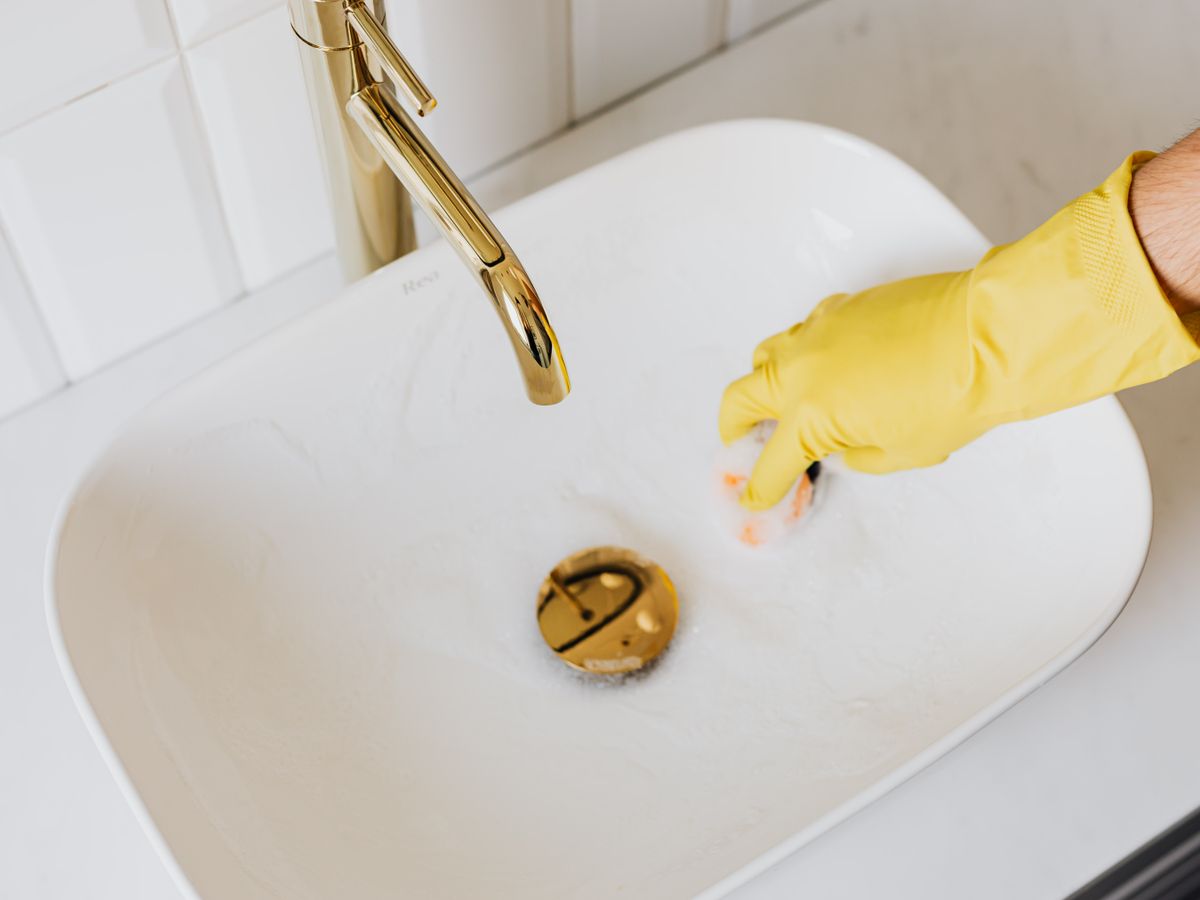
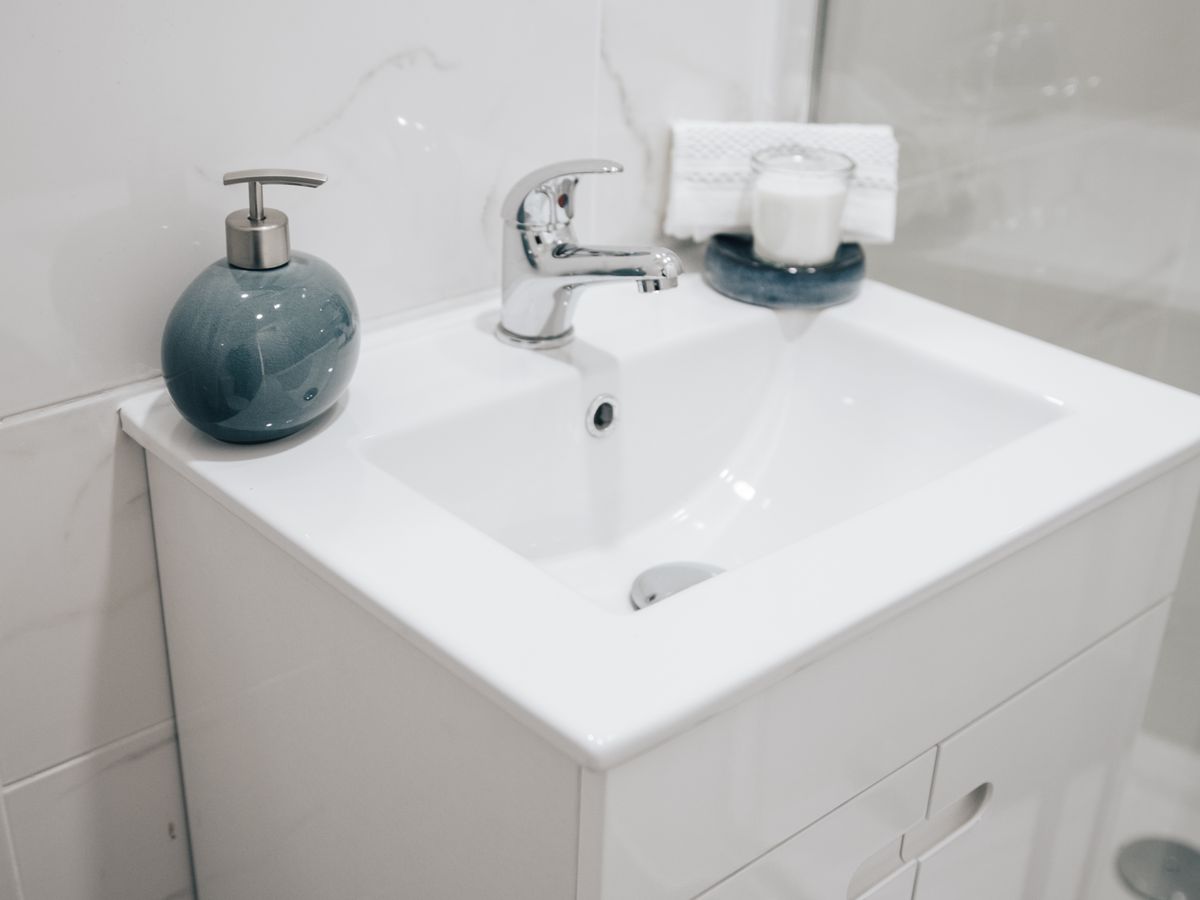
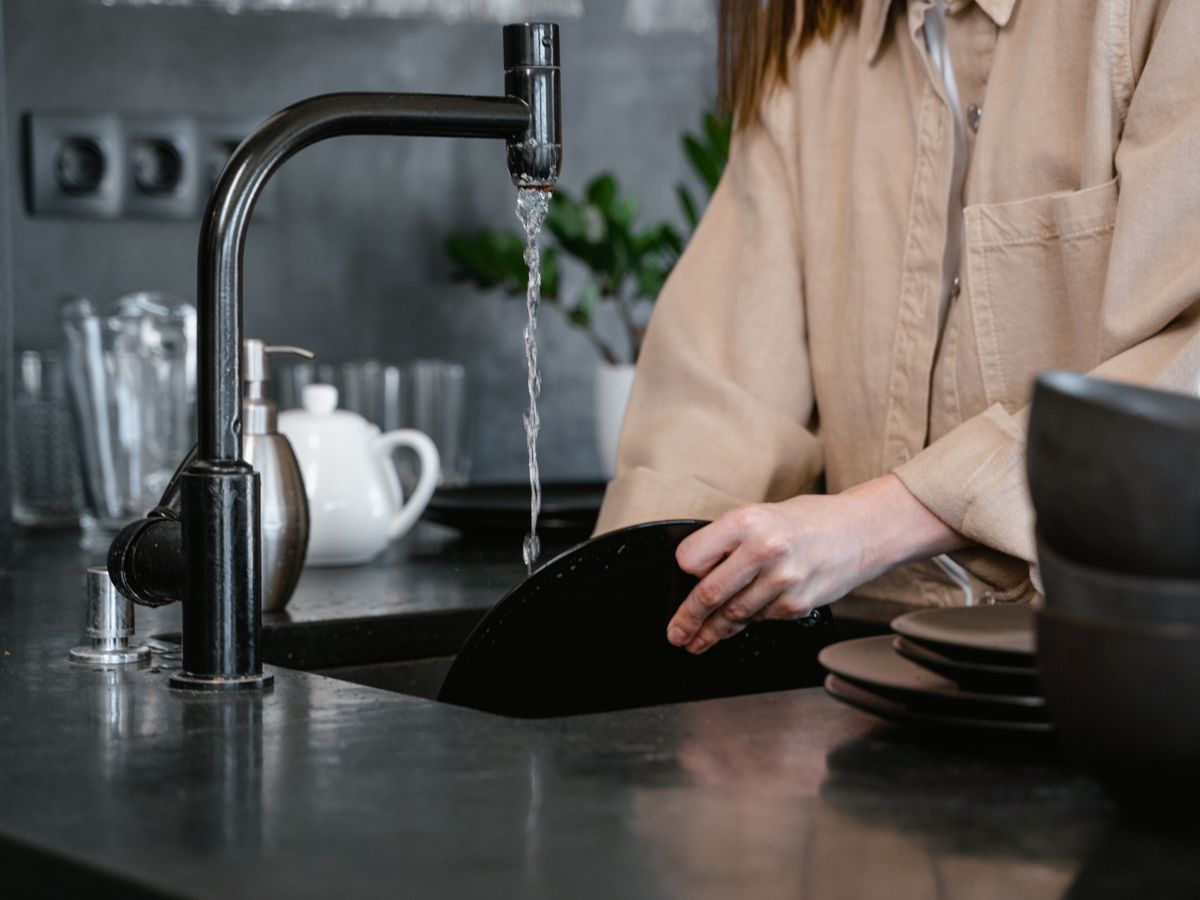
Representative photos of the kind of work local providers handle.
Talk to a local provider
One call connects you with an independent plumber who works in York. They will ask a few questions, explain the likely cause and give you a price before any work starts.
(717) 708-3798